


Viscosity Cup, Viscometer B-4
The Viscosity Cup, Viscometer B-4 is a practical viscosity measurement instrument designed for checking the flow characteristics and consistency of paints, coatings, inks, varnishes, and other liquid materials. Viscosity cups work by allowing a liquid sample to flow through a calibrated opening while the efflux time is measured. This provides a simple and convenient method for comparing the flow behavior of different coating materials and monitoring consistency during production or quality-control procedures.
What is a Viscosity Cup, Viscometer B-4?
A viscosity cup is an efflux-type measuring device used to evaluate the viscosity or flow behavior of liquids. The test is generally performed by filling the cup with the sample, allowing the liquid to flow through the outlet, and recording the time required for the flow to reach the specified endpoint. The measured time can then be compared with an established specification or interpreted using the applicable cup calibration information.
Viscosity cups are widely used in the paint and coating industry because maintaining consistent viscosity is important for application performance, coating thickness, spray behavior, leveling, and overall finish quality.
Key Features of Viscosity Cup, Viscometer B-4
- Designed for paint and coating viscosity testing
- Provides a simple and practical efflux-time measurement method
- Suitable for comparative viscosity checks
- Useful for laboratory and production quality control
- Suitable for paints, coatings, inks, varnishes, and similar liquids
- Easy to operate and clean when handled according to the applicable procedure
- Helps monitor consistency between production batches
- Practical instrument for routine liquid flow testing
Applications of Viscosity Cup, Viscometer B-4
The Viscosity Cup, Viscometer B-4 can be used for viscosity-related quality-control checks in a variety of applications, including:
- Paint manufacturing
- Industrial coatings
- Decorative coatings
- Automotive coatings
- Printing inks
- Varnishes and lacquers
- Surface-finishing materials
- Chemical laboratories
- Research and development
- Production quality control
For coating applications, viscosity measurements can help determine whether a material has suitable flow characteristics for a particular application process.
How Does a Viscosity Cup, Viscometer B-4 Work?
A typical viscosity cup is filled with a representative liquid sample. The cup is then positioned according to the applicable testing procedure, and the sample is allowed to flow through its calibrated outlet. A stopwatch or suitable timing device is used to record the efflux time.
Because viscosity is affected by temperature, the sample temperature should be controlled and recorded when performing comparative measurements. The same test procedure, cup, temperature, sample preparation, and endpoint should be maintained when comparing different batches.
The measured flow time should be interpreted according to the relevant specification, calibration data, or standard applicable to the particular viscosity cup being used.
Importance in Paint Quality Control
Paint viscosity directly affects how a coating behaves during application. If the material is too thick, it may not flow or atomize properly. If it is too thin, the coating may have inadequate coverage or behave differently during application. Regular viscosity checks can therefore help manufacturers maintain consistent product quality.
A viscosity cup provides a straightforward method for monitoring changes in liquid flow behavior without requiring a complex electronic viscometer.
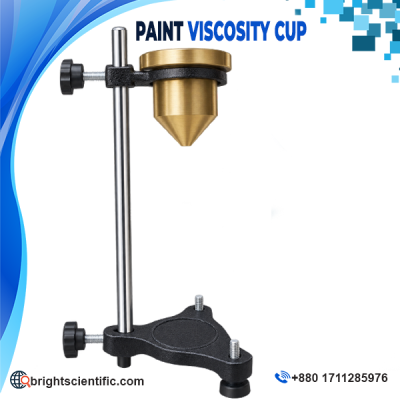
Viscosity Cup, Viscometer B-4 for measuring paint and coating flow viscosity Viscosity Cup, Viscometer B-4 for simple and convenient viscosity testing of paints, coatings, inks, and varnishes.

Proper Testing Practice
For reliable comparative results, the viscosity cup should be clean and free from dried paint or particles, particularly around the outlet. The sample should be properly mixed and free from unwanted contamination. Temperature should be controlled because viscosity changes with temperature.
For formal quality-control work, users should follow the testing method and calibration requirements specified for their particular cup and application. Manufacturer instructions and applicable ASTM or ISO procedures should be followed where required.
FAQ
1. What is a Viscosity Cup, Viscometer B-4?
A Viscosity Cup, Viscometer B-4 is an efflux-type instrument used to evaluate the flow characteristics of paints, coatings, inks, varnishes, and other suitable liquids by measuring flow time.
2. What is the Viscosity Cup, Viscometer B-4 used for?
It is used for checking and comparing the viscosity or flow behavior of liquid coating materials and other suitable liquids.
3. How does a viscosity cup measure viscosity?
The liquid is allowed to flow through the cup’s calibrated outlet, and the required flow or efflux time is measured.
4. Can it be used for paint testing?
Yes. Viscossity cups are commonly used for paint and coating quality-control applications.
5. Can it be used for inks and varnishes?
Yes. Viscossity cups can be used for suitable liquid materials such as inks, varnishes, lacquers, and coatings, provided that the cup’s applicable range and testing procedure are appropriate.
6. Why is temperature important during testing?
Liquid viscossity changes with temperature. Maintaining a consistent temperature helps make comparative measurements more reliable.
7. How should the viscosity cup be maintained?
The cup should be cleaned after use, and the outlet should be kept free from dried material, dust, and other obstructions.
8. Is a viscossity cup suitable for quality control?
Yes. It provides a simple method for monitoring batch-to-batch consistency and changes in coating flow behavior.
9. Does flow time directly equal viscosity?
Not necessarily. Efflux time should be interpreted using the calibration information or conversion method applicable to the specific viscossity cup.
10. Where can Viscossity Cup, Viscometer B-4 be used?
It can be used in paint manufacturing, coating production, laboratories, research facilities, and industrial quality-control environments.


Reviews
There are no reviews yet.